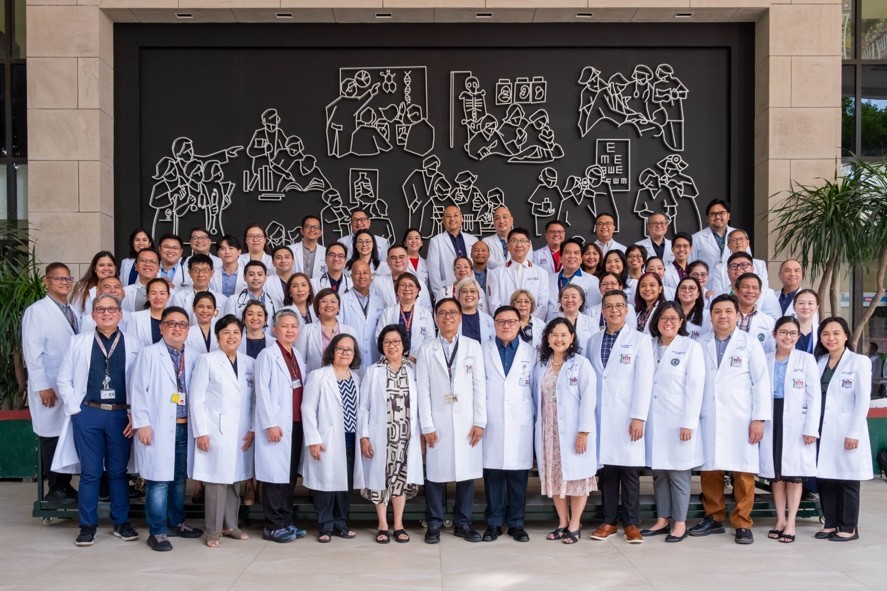
UP-PGH DEPARTMENT OF MEDICINE
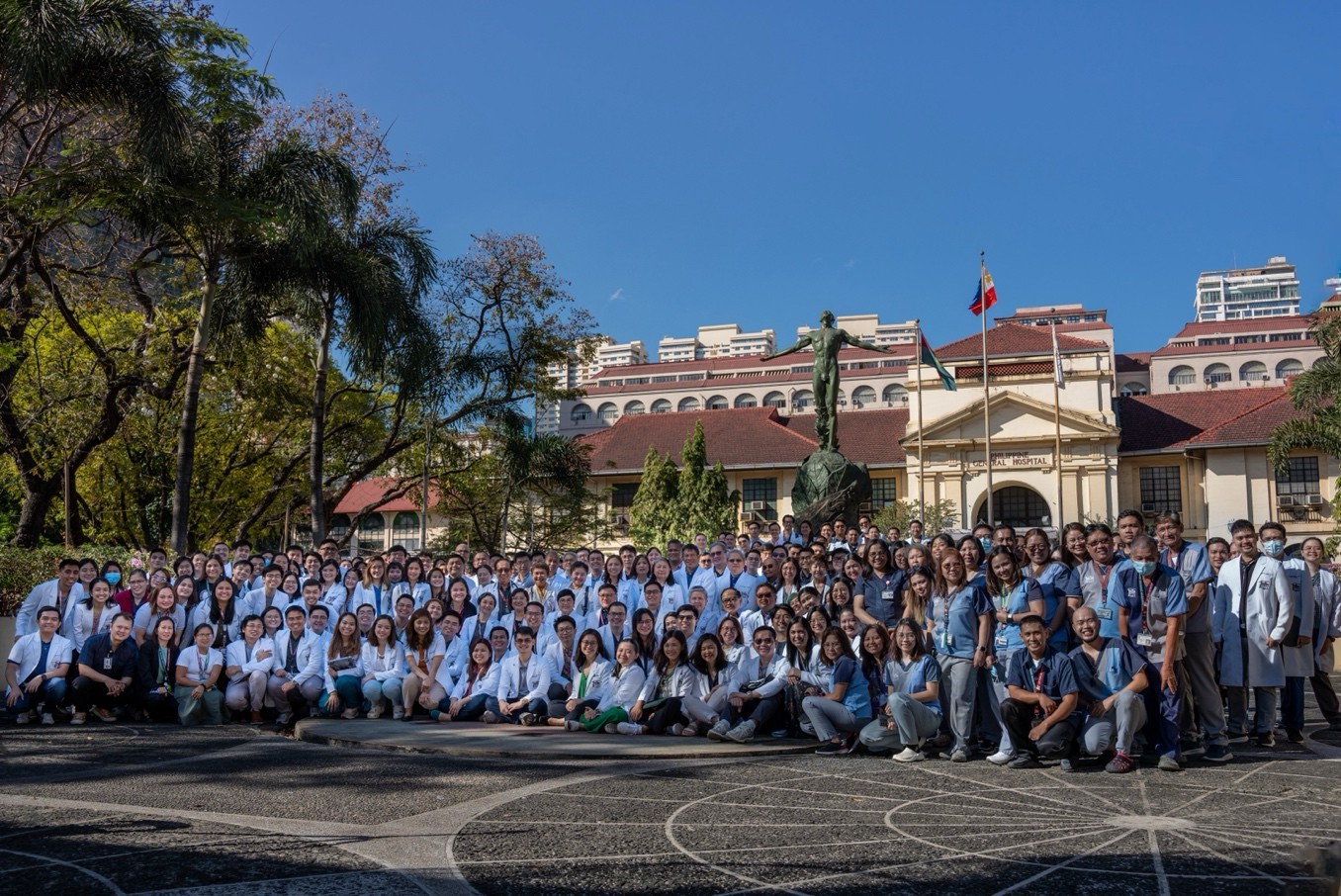
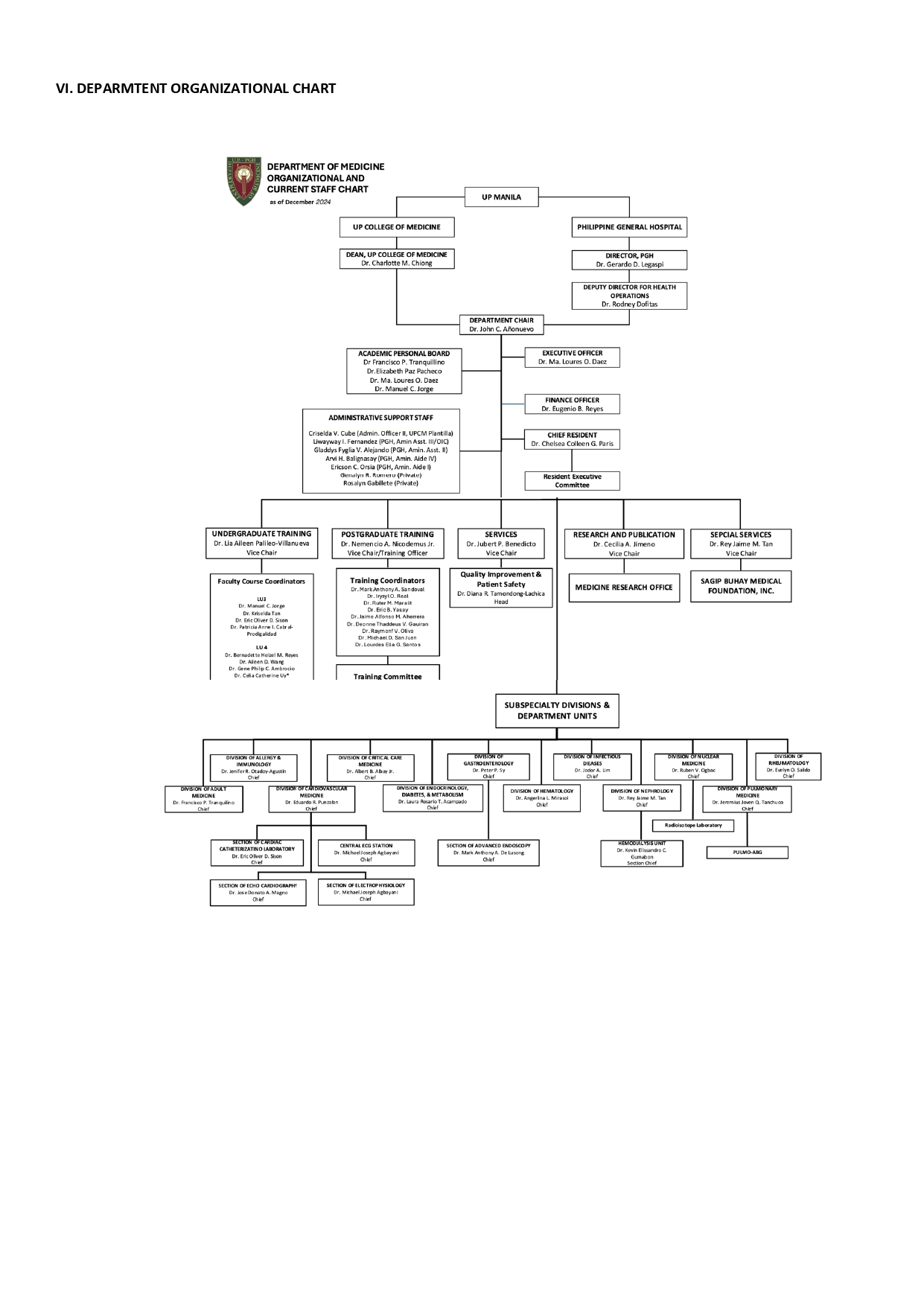
The Department of Medicine, being the largest clinical department of the University of the Philippines – Philippine General Hospital, is at the forefront as one of the best training institutions in the field of Internal Medicine. In partnership with the UP College of Medicine, the Department has also been a pioneer in molding the future doctors of the country. The department continually strives to provide exceptional care in all its service areas. It has also contributed to the nation’s call to have more doctors in the farthest regions of the country, with its graduates serving in different areas of the Philippines. The department's research output has been outstanding and has produced numerous publications both locally and internationally. With over 100 years of service, training and research, the Department of Medicine has truly been instrumental in shaping the future leaders of the Philippine medical community.
In 1907, the Philippine Medical School was created. When the University of the Philippines was founded in 1908, the medical school became the UP College of Medicine.
In 1911, the Department of Medicine was established as a teaching, service, and research section of the Philippine Medical School from the merger of the divisions of clinical medicine and tropical medicine. It was housed in the School for the Deaf and blind along Malecon Drive, and its clinical activities held at St. Paul’s Hospital. The Department soon transferred to the newly built PGH and was given 2 wards with a 100-bed capacity. It was then shaped by the Filipino founding fathers: Dr. Ariston Bautista, Dr. Luis Eligio Guerrero, and Dr. AG Sison.
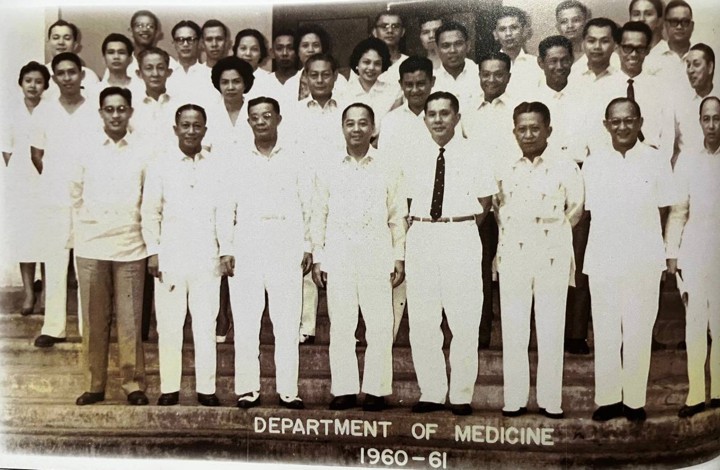 The Japanese occupation was a period of hardship for the Department and the hospital. When Manila was declared an open city, the hospital and the College continued business as usual, making do with the limited supplies at their disposal. Post-war, the Department, under the leadership of Dr. AG Sison, underwent massive rehabilitation. Soon, Dr. ABM Sison took the helm and ushered in a new era of foreign partnerships with medical institutions abroad. This, alongside the return foreign trained fellows in various fields, saw the birth of the subspecialization in the country. The cardiovascular, endocrinology, dermatology, arthritis, and gastroenterology clinics were established; and not long after, the pulmonary and nephrology sections soon followed.
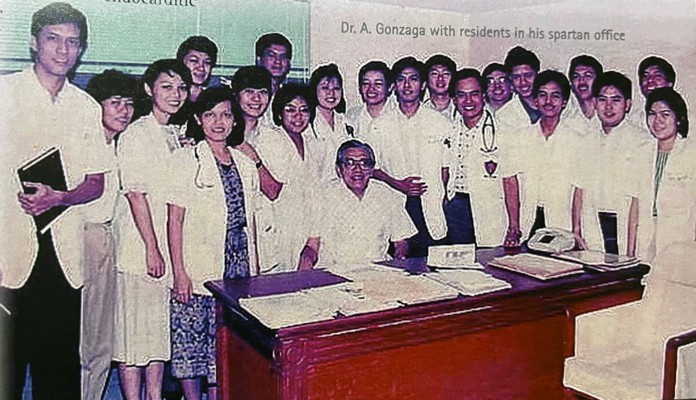
In the 1970s, at the verge of various blossoming subspecialties, the Department introduced then state-of-the-art procedures into the country: cardiac catheterization, open heart surgery, endoscopy, spirometry, plethysmography, and hemodialysis to name a few. The Medical Research Laboratory and the PGH radioisotope laboratory were created, largely due to the demands of the field of endocrinology. Despite the thrust toward primary health care at the time, PGH remained a specialized tertiary hospital, still flocked by patients seeking medical attention. Furthermore, under the efforts of Dr. Aida Baltazar, the intensive care unit, coronary care unit, and EKG station came into being.
In the 1980s, the Department brought in a new era of evidence-based medicine. Additionally, medical research was the main thrust, with the establishment of the socio-biomedical research unit, now the National Institutes of Health. This decade also saw the birth of straight residency training and straight internship
program under Dr. Ernesto Domingo, furthering the development of subspecialties and their capabilities.
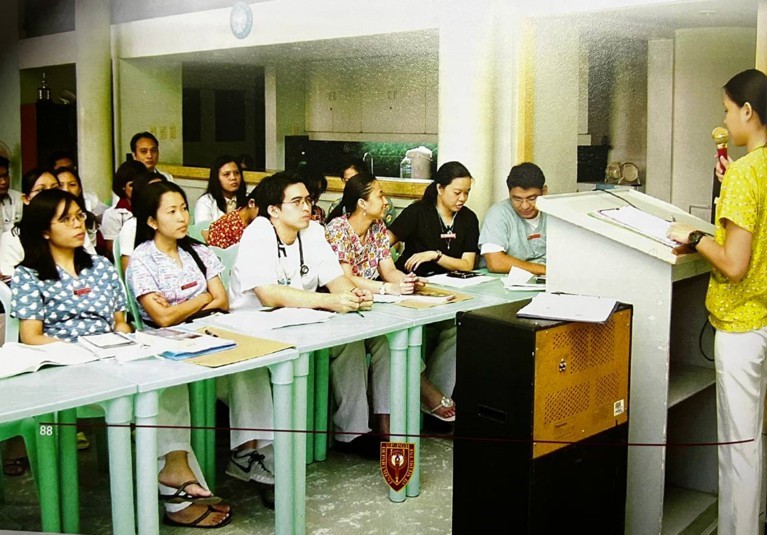
In the tail end of the 20th century, links to other institutions were formalized, namely National Kidney Institute, Research Institute of Tropical Medicine, Philippine Heart Center, and Medical Center Manila. Sagip Buhay Drug Bank later evolved into a foundation to help defray the cost of treating indigent patients. Coming into the new millennia, strengthening of the undergraduate training in the Department became paramount leading to multiple Silver Cup Awards awarded to the most outstanding clinical science department.
Presently, the Department continues to be a leader in service, training, and research in the field.
A. POSTGRADUATE PROGRAMS
Internal Medicine Residency Training Program
The Department of Medicine offers a three-year residency course in Internal Medicine. The goal is to attain excellence and relevance in Internal Medicine through the implementation of effective programs in training, service and research. The trainee is exposed to the different service areas in the hospital, namely the Emergency Room, Medical Wards, Pay Wards, Intensive Care Units, and Outpatient Department. The trainee rotates in the different subspecialty divisions of the Department, the Department of Neurosciences, and the Department of Dermatology. The trainee is guided by the best internists in the country, both in clinical work and in research.
Innovations in training and research are effectively incorporated in the program. The practice of evidence-based medicine (EBM) is highly emphasized in the management of patients in all areas of the Department. Residents are encouraged to undertake and produce various forms of studies and clinical trials that address the different gaps and unmet needs in the Department, as well as in local and national settings. They are given opportunities to attend local and international conferences for continuing medical education.
The standards set by the Department are well above the expected competencies of the Philippine College of Physicians. In the year 2000, the Department has pioneered the creation of an Adult Medicine Service whose thrust is to further the practice of General Internal Medicine, to foster a holistic approach to patient care among resident trainees, and to serve as a major teaching unit for EBM.
The Department of Medicine accepts 22-24 new trainees each year and the funding of the resident trainees come from the Philippine government through the University of the Philippines-Philippine General Hospital.
Nuclear Medicine Residency Training Program
Nuclear medicine is a medical specialty dealing with the diagnostic and therapeutic applications of “unsealed” or “open” sources of radioactive materials. Founded in 1957, the Radioisotope Laboratory of PGH became the first facility in nuclear medicine to operate in Southeast Asia. The training in this discipline which was established in the mid-1980s was initially a fellowship program in nuclear medicine (under the Department of Medicine). However, since 2018, a three-year residency training program was created, which offered direct specialty training in the discipline. The program hones the trainees in both the basic sciences and clinical aspects of nuclear medicine, particularly the various diagnostic and therapeutic procedures the field offers. Research also forms an integral part of training of each resident.
Clinical Fellowship Training Programs
As early as 1966, the Department of Medicine has offered several clinical fellowship training programs in the following subspecialties:
- 3-year program
- Cardiology
- Hematology
- 2-year program
- Allergy & Immunology (joint program with the Department of Pediatrics)
- Critical Care Medicine
- Endocrinology, Diabetes and Metabolism Gastroenterology
- Infectious Diseases
- Nephrology
- Medical Oncology (with Master of Science in Medical Oncology)
- Pulmonary Medicine
- Rheumatology
In addition, the Division of Cardiology offers the following programs beyond general cardiology:
- Invasive and Interventional Cardiology (2 years)
- Adult Clinical Echocardiography (1 year)
- Electrophysiology (1 year)
The Division of Gastroenterology offers Advanced Endoscopy (6 months to 1 year) for ERCP (endoscopic retrograde cholangiopancreatography) and EUS (endoscopic ultrasound).
B.UNDERGRADUATE PROGRAMS
LEARNING UNIT 3
OS 205: Human Body and Mind 4
The course introduces the learner to the Pulmonary and Cardiovascular Systems. This course covers the integration of structure and function of the pulmonary and cardiovascular systems at the gross, microscopic, and molecular levels, correlated with the physical examination and imaging of these regions. It is held for 4 weeks and consists of a series of correlative lectures and self-instructional materials on the structure, function and imaging studies of the pulmonary and cardiovascular systems. The students were instructed to perform the proper techniques on complete physical examination of the pulmonary and cardiovascular systems via a demo-return demo Preceptorial session to be conducted by the Division of Pulmonology of the Department of Medicine.
OS 205: Human Body and Mind 5
The course introduces the learner to the Gastrointestinal, Genitourinary, and Reproductive Systems. This course covers the integration of structure and function of the gastrointestinal and genitourinary systems at the gross, microscopic, and molecular levels, correlated with the physical examination and imaging of these regions as well as the anatomy of the reproductive system. It consists of a series of correlative lectures and self-instructional materials on the structure, function, and imaging studies of the gastrointestinal tract and genitourinary system and anatomy of the reproductive system. Synchronous lectures for the gastrointestinal and genitourinary system were held.
HD 202
The course introduces first year medical students to an integrated method of conducting physical examination on a normal adult patient. It emphasizes the use of proper techniques on the complete physical examination as a valuable screening tool in detecting various medical and surgical conditions.
LEARNING UNIT 4
OS 213: Circulation and Respiration Cardiology Module
Synchronous plenary activities are held. Asynchronous learning materials such as recorded lectures and annotated PDFs are made available on UP VLE throughout the module. Clinical preceptorials (small groups) are held on campus. One consultant handles a small group of 9 to 10 students (adult cardio). For history taking, students are tasked to role-play several clinical scenarios with definite roles and interview endpoints under a given time-limit. An open forum and discussion of feedback are held after each small group. Viewing and listening activity is held for BP measurement, heart sounds, and jugular venous pressure determination.
OS 214: Digestion and Excretion GI (Nutrition) Module
Lectures, topic conferences, bedside preceptorials, laboratory skill sessions, hemodialysis unit visit and mini-clinicopathologic conferences are held regarding pathologies of the gastrointestinal system.
OS 214: Digestion and Excretion Nephrology Module
Lectures, topic conferences, bedside preceptorials, laboratory skill sessions, hemodialysis unit visit and mini-clinicopathologic conferences are held regarding pathologies of the renal system.
OS 215: Reproduction and Hormonal Regulation
Lectures, topic conferences, bedside preceptorials, laboratory skill sessions, hemodialysis unit visit and mini-clinicopathologic conferences are held regarding pathologies of the endocrine system.
OS 216: Hematopoiesis and Immune Response
Lectures, topic conferences, bedside preceptorials, laboratory skill sessions, hemodialysis unit visit and mini-clinicopathologic conferences are held regarding pathologies of the hematologic and immunologic systems.
LEARNING UNIT 5
Medicine 250 – Integrated Clinical Clerkship I in Medicine
This is a 3-week course that introduces third year medical students (Learning Unit 5) to the most common conditions encountered in the adult ambulatory/outpatient setting. It provides opportunities for the students to hone their clinical reasoning and diagnosis skills through problem-oriented, case-based learning. It also includes patient encounters with supervised participation in the diagnosis and management of commonly encountered medical problems among adult patients.
LEARNING UNIT 6
Medicine 251 - Integrated Clinical Clerkship II in Medicine
The overall goal of the Internal Medicine Clerkship Program is to develop in the Year Level VI student the knowledge, skills, and professional attributes that are involved in the practice of Internal Medicine. Over a 6-week period, the student, with the guidance of dedicated residents and consultants, will acquire the tools necessary to effectively evaluate the various needs of the patient requiring tertiary medical attention, and subsequently accord them with the highest standard of care possible with a degree of competency commensurate to their academic level. This shall be achieved by exposure to patients at various stages of their medical illness, such as those requiring emergent resuscitation and treatment, or those necessitating a more long-term and multidisciplinary type of management.
LEARNING UNIT 7
Medicine 260 – Track A
The course is an 8-week program that is learner-oriented, and is intended to allow the medical students to actively manage patients in the charity medical wards, medical outpatient clinics, emergency room and medical intensive care units under the direct supervision of medical residents and consultants.
Medicine 260 – Track C
This is a 52-week program designed by the Department of Medicine for Learning Unit 7 students of the OSI curriculum, comprising of 44 weeks rotation in the Department of Medicine and 8 weeks in Family and Community Medicine. Post-graduate interns are not eligible for this course. Criteria for acceptance to the program will be according to the guidelines set by the UP College of Medicine and the LU 7 committee and the screening evaluation set by the Department of Medicine.
The curriculum is learner-oriented, intended to allow the medical students to actively co-manage patients in the charity medical wards, outpatient medical clinics, emergency room, and medical intensive care unit under the direct supervision of medical residents and consultants.
Medicine 292: Clinical Elective in Medicine
This is a clinical elective rotation to maximize participation in clinical decision making for in-patient and out-patients under different internal medicine subspecialties.
Medicine 291: Research Elective in Oncology/Rheumatology
This is a course on scientific studies with opportunities to understand, appreciate and participate in research designs, methods, and evaluation as these related to the practice of Oncology/Rheumatology.
C. POST-GRADUATE COURSES
Masters of Science in Clinical Medicine (Medical Oncology) and Masters of Science in Medical Oncology
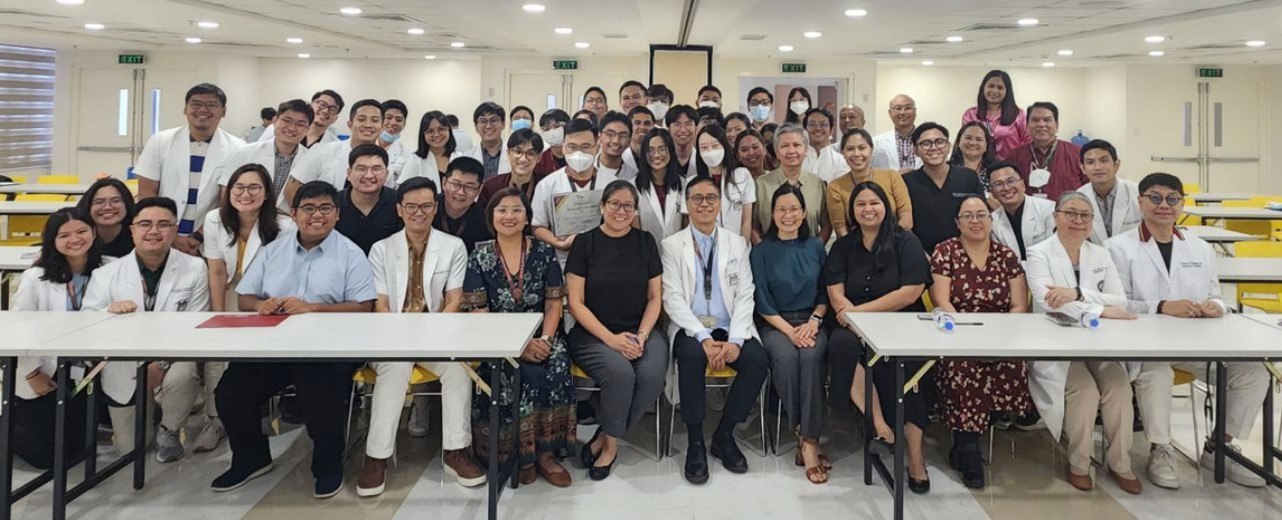
The Master of Science in Clinical Medicine - Medical Oncology (MSCM MO) and Masters of Science in Medical Oncology (MSMO) program created a learning environment intended to develop medical internists into Medical Oncology specialists as well as health managers, researchers and educators imbibing new and broader knowledge and extensive skills. This program integrates basic and advanced theoretical knowledge in cancer medicine and its clinical applications. It is therefore expected that graduates of this program will be able to demonstrate in-depth knowledge, adequate skills and proper attitude and values in: a) diagnosis, medical treatment, prevention and control of neoplastic disease; b) research in cancer medicine, prevention, and cancer control program; c) community and tertiary level teaching of cancer medicine; and d) implementation of quality management and organization development/planning to achieve total quality care of cancer patients in the tertiary and community setting.
A. Service Wards
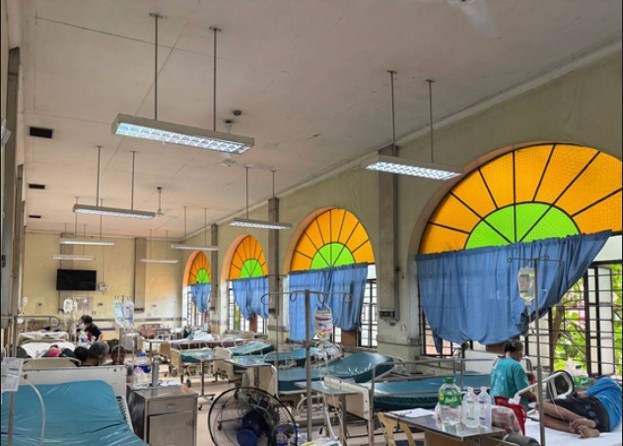
Post-pandemic, the Department of Medicine has three (3) wards under its care (Wards 1, 3, and 4) and accommodates 130 in-patients of various medical cases of varying degrees of complications. These patients are distributed among six (6) General Medicine services; each service has residents-in-charge directly guided by two (2) service consultants. One (1) LU consultant is designated with the primary role of teaching rotating medical students in the Department.
B. Pay Wards
The Medical Resident on Duty (MROD) has the primary role of overseeing medical admissions under the care of the Department’s faculties. Furthermore, the MROD also extends its services as the primary respondent in all adult emergency situations during duty hours and serves as the code team captain of the whole pay floors of the hospital.
C. Intensive Care Units
1. Medical Intensive Care Unit The Medical Intensive Care Unit (MICU) is an 11-bed unit catering to the most complex of cases needing intensive care and intensivist attention. Among the 11 beds, one (1) bed is allocated as the procedural bed to accommodate patients post-procedure needing close monitoring. Critical Care Medicine serves as primary service taking care of these patients with senior residents rotating under their guidance. All patients are referred to Cardiology, Pulmonary Medicine, Nephrology, and Infectious Diseases – a testament to multi-specialty approach and collaboration.
2. Central Intensive Care Unit
The Central Intensive Care Unit (CENICU) is an open-model ICU catering to both pay and service patients. The CENICU resident on duty (ROD) is a senior medical resident stationed at the CENICU to attend to multi-specialty cases. He/she is in direct communication with the primary physician of each patient. Critical Care Medicine intensivists remain on board. As of writing, the CENICU Is undergoing major renovation. It is planned to accommodate 30 patients – both adult and pediatric – once fully functional.
D. Emergency Department
The Emergency Room (ER) is the primary source of patients for admission to both non-COVID and COVID medical wards and intensive care units. Year Level 2 (YL 2) Internal Medicine residents, acting as Emergency Room ‘Physicians-on-Duty’ (PODs), are mainly in-charge of handling ER cases. Most ER admissions are initially examined, assessed, and managed by the residents of the Department of Emergency Medicine. After initial resuscitative efforts, patients are cared for by the ER medical team, supervised by the General Medicine Service Consultant, Emergency Room Medicine Consultant, and General Medicine Service Seniors. Once primary service responsibility is transferred to General Medicine, patients are prioritized for admission to the medicine wards and intensive care units. Further patient management is carried out by the residents of the Department of Medicine with the assistance of subspecialty services.
E. Outpatient Department
The Outpatient Department (OPD) is the physical facility of the Philippine General Hospital Department of Medicine that provides healthcare services to patients who are not admitted, often serving as the first point of contact between hospital and the patient. The General Medicine OPD is a two-room complex, which contains 14 consult areas, and 4 procedural beds. The subspecialty clinics are composed of 3 rooms divided into consult areas with designated procedural beds. It caters to the needs of charity medical patients on their first hospital contact, as well as discharged patients from the inpatient wards or ICUs on their follow-up. It is manned by the medical residents, fellows, interns and clerks under the supervision of the Adult Medicine consultants, as well as nurses and other paramedical personnel.
1. General Medicine Clinic
Following the lifting of restrictions and COVID-19 safety and prevention protocols, the General Medicine OPD has reverted to purely face-to-face (FTF) operations since January 2023. Currently, the clinic accepts an average of 80-100 consults per day. It is held in the 1st floor in Rooms 122, 123, and 124 with 14 desktop computers and 2 printers shared among residents. The clinic is manned by different sets of Internal Medicine residents daily. The integrated General Medicine Continuity Clinic attends to new patients, follow-up consultations, as well as pre-operative assessment referrals. Consultants shall be attending to the designated days in the General Medicine OPD clinic days.
2. Subspecialty Clinics
The different subspecialty clinics are manned by the subspecialty fellows and are located on the first floor at Rooms 118, 119, 120. The subspecialty clinics have dedicated clinic schedule days during the week. Table 1 shows the different subspecialty clinics each division holds:
Table 1. List of Subspecialty Clinics per Division
| Division | Subspecialty Clinic |
| Allergy and Immunology | Face-to-face, Telemedicine |
| Cardiovascular Medicine | General Cardiology, Electrophysiology, Heart Failure, Pacemaker |
| Endocrinology | General Endocrinology, Thyroid, DM (Diabetes Mellitus) |
| Gastroenterology | Adult Gastroenterology |
| Hematology | General Hematology, Telemedicine |
| Infectious Disease | Face-to-face, SAGIP clinic and TB DOTS (see below) |
| Medical Oncology | Cancer Institute Clinic 107 |
| Nephrology | General Nephrology, Kidney Transplant |
| Pulmonary Medicine | Pulmonary Medicine |
| Rheumatology | Face-to-face, Telemedicine |
| Geriatrics | Geriatrics Clinic |
3. Subspecialty Polyclinic
All subspecialties have a daily PM clinic, referred to as “polyclinic” established as part of the OPD Reorganization starting last October 13, 2013. The clinic accommodates new and unscheduled referrals to subspecialties to expedite patient management. It is comprised by Cardiovascular, Gastroenterology, Endocrinology, Rheumatology and Renal services. The rest of the subspecialties are on call. This is held at OPD Room 119 every afternoon, from 1pm to 3pm, from Monday to Friday.
4. PATEC (Preoperative Anesthesia and Testing Center)
The PATEC is an initiative of the Departments of Medicine, Surgery and Anesthesiology that aims to improve the efficiency of preoperative planning, risk assessment and optimization of surgical patients. The clinic aims to streamline all the services that need to be involved in the surgical patient’s management. It operates on weekdays, 9AM to 3PM, in the Pain Clinic on the 2nd floor of the OPD building.
5. SAGIP Clinic
The SAGIP clinic is an HIV hub of the Department that caters to around 3,000 out-patients yearly. It provides holistic care for people living with HIV, providing diagnostics, therapeutics, and preventive services.
6. TB DOTS
PGH also has its own TB treatment facility operating under the National TB Control Program of the Department of Health. The clinic serves to provide TB screening, diagnosis, treatment, and support – including contract tracing, counseling, and education. Yearly, this facility caters to almost 7,500 patients.
7. Caritas Clinic
The Department of Medicine initiated a partnership with Caritas Manila, Inc. to aid in the implementation of the Caritas Manila Community Health Program and its Urban Community Based Health Program. It too serves as an opportunity for training in the setting of primary care and community-based practice of students, resident trainees, and faculties alike. The Department provides internal medicine consultation services in the community-based clinic.
F. Hemodialysis Unit
The Hemodialysis unit under the Division of Nephrology caters to approximately 2,600 in-patients requiring hemodialysis yearly. Located in the 6th floor of the Central Block building, the unit boasts 15 hemodialysis machines and 1 mobile hemodialysis machine.
G. Pulmonary Care Center and Post-COVID Hub, and Sleep Laboratory
The Pulmonary Medicine Unit is located at the ground floor of the Central Block of the hospital. It aims to provide care for patients with chronic lung diseases and long COVID-19 syndrome. The hub also provides pulmonary function testing (PFT), cardiopulmonary exercise testing (CPET), and pulmonary rehabilitation to name a few. In coordination with the Department of ORL-HNS, Pulmonary Medicine also provides a 1-bed polysomnography unit located at the second floor of the Central Block building of the hospital which has catered to 117 patients for the year 2024.
H. Cardiac Catheterization and Intervention Laboratory
The Cardiac Catheterization and Intervention Laboratory offers a myriad of world class non-invasive and minimally invasive procedures in Interventional Cardiology and Electrophysiology and Pacing. It offers the following: Coronary Angiogram, Percutaneous Coronary Intervention, Hemodynamic Studies, CIED Implantation (including Pacemaker, Implantable Cardioverter-Defibrillator, Cardiac Resynchronization Therapy, and Conduction System Pacing) and Radiofrequency Ablation. Recently, the Section of Cardiac Catheterization and Intervention spearheaded the implementation of the PHIC IHD-AMI Package. The Section of Electrophysiology and Pacing is also the pioneer in the transvenous lead extraction program in the Philippines.
I. HAVU and Cardiology Units
The Heart and Vascular Unit (HAVU) is the cardiovascular diagnostic hub of the Philippine General Hospital. It offers the following: arterial and venous duplex ultrasound of the extremities, carotid duplex ultrasound, transthoracic and transesophageal echocardiography, tilt-table testing, and electrocardiography. The Cardiac Prevention and Cardiac Rehabilitation (CPRU) Unit offers Cardiac Rehabilitation services including patient education on risk factor modification, functional capacity testing, and exercise prescription
J. CENDU (Central Endoscopy Unit)
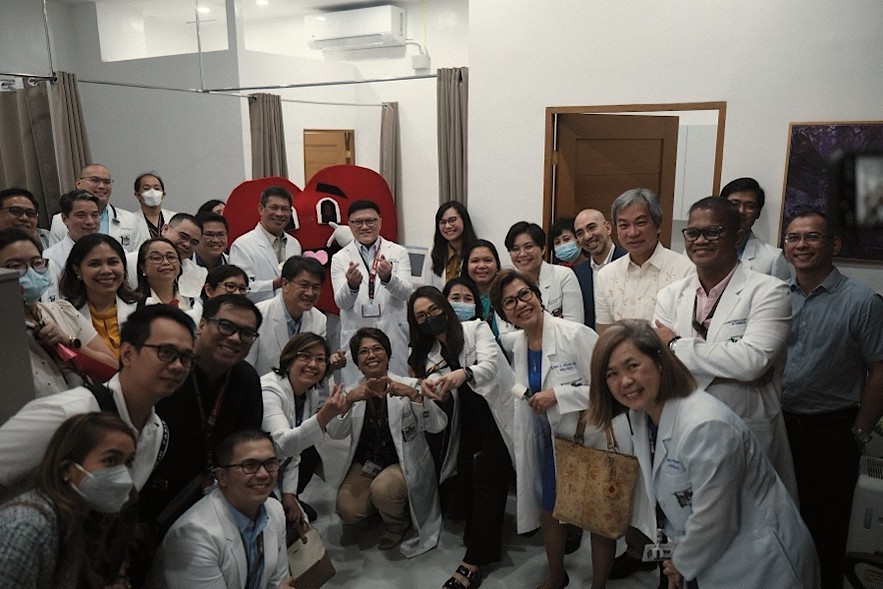
The Central Endoscopy Unit of the Operating Room Complex of the hospital houses endoscopic procedures of both the Divisions of Gastroenterology and Pulmonary Medicine. In 2024, around 7,820 diagnostic and therapeutic endoscopic gastrointestinal procedures were performed (e.g. gastroscopy, colonoscopy, EUS, ERCP, spyglass, etc.). Additionally, a total of 969 diagnostic and therapeutic endoscopic interventional pulmonology procedures were completed in the year 2024.
K. Nuclear Radioisotope Laboratory
The Radioisotope Laboratory of the Philippine General Hospital, established in 1956, has consistently provided vital services such as radioactive iodine (RAI) therapy, imaging (scintigraphy), blood tests(radioimmunoassay), and other related medical procedures to patients. In 2024, the PET/CT center was officially opened, marking a major advancement in the hospital’s diagnostic capabilities.
L. Medical Research Laboratory
The Medical Research Laboratory (MRL) provides a laboratory for the research needs of the hospital and of the UP College of Medicine. In addition, it serves to be a national reference laboratory and complements the Central Laboratory of PGH. The unit is committed to the availability of routine and special laboratory tests for purposes of research, training, and service.
M. IM-QUIPS (Quality Improvement and Patient Safety)
The establishment of the Quality Improvement and Patient Safety Committee (IM QuIPS) within the UP PGH Department of Medicine emerges from a profound recognition of healthcare's inherent complexities and the continuous challenges in delivering optimal patient care. In our self-assessment, we've acknowledged that our department faces fundamental challenges in healthcare delivery. We recognize our limitations in accurately evaluating the quality of care we provide and consistently maintaining effective communication among our teams. This candid recognition reflects our understanding of the universal healthcare challenges involved in measuring quality outcomes and fostering interdisciplinary collaboration. 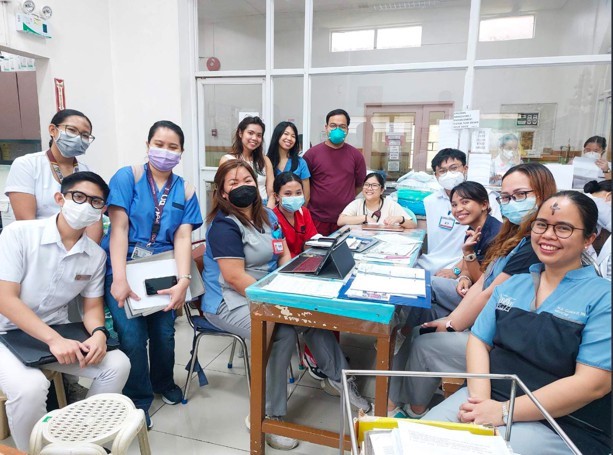
In the complex ecosystem of a teaching hospital like UP-PGH, where multiple levels of healthcare providers interact with diverse patient populations and navigate resource constraints, the potential for gaps in care quality becomes significant. IM QuIPS represents a structured response to bridge these gaps through systematic quality assessment and improvement processes.
A. IM SUMMIT
Since 2020, the Department holds its annual post-graduate course with the goal of sharing the wealth of knowledge and expertise of its esteemed faculty with other healthcare practitioners. Since 2022, the IM Summit has been well-attended and well-received by the community. A frequent at Conrad Hotel Manila, IM Summit is a 2 day event that caters to more than 700 participants. Since 2024, the Summit adapted a three track format showcasing lectures, panel discussions, and workshops regarding the advancements in the field of Medicine. All revenue from the summit is funneled to both patient care and services and research funding through the Sagip Buhay Medical Foundation.

B. ANNUAL PSBIM REVIEW
For 16 long years, the Department has hosted one of the biggest and most attended reviews for the Philippine Specialty Board of Internal Medicine (PSBIM) certifying examination of the Philippine College of Physicians (PCP) -- a test taken by residency graduates of internal medicine of various institutions across the country. Likewise, all proceeds go to Sagip Buhay Medical Foundation for patient services.